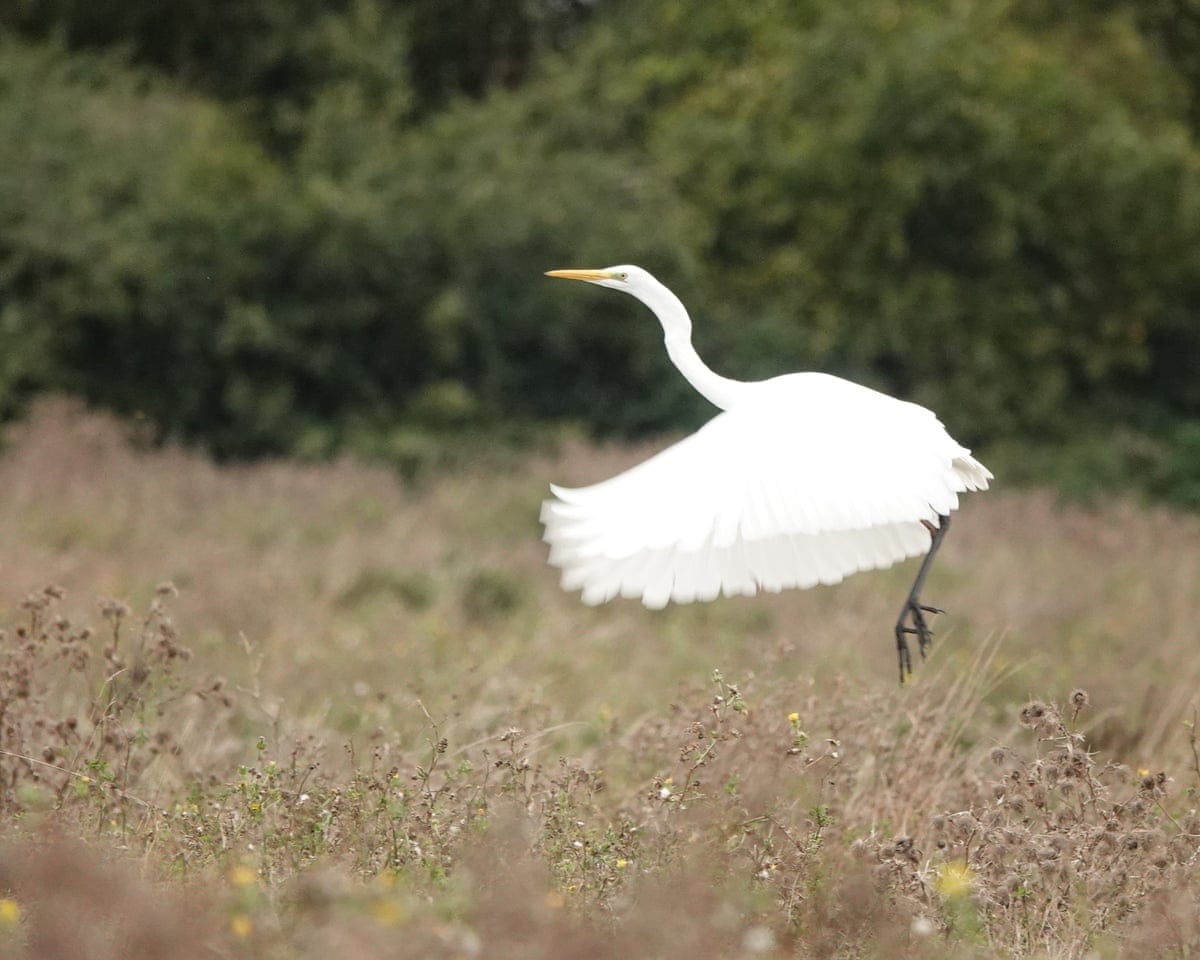
Birds
Migrating waders gather in Poole harbour for winter
Thousands of traveling shorebirds, including dunlins from eastern breeding grounds, are flocking to Dorset mudflats along the East Atlantic Flyway.
Reported by The Guardian · · 1 min read
Poole Harbour in Dorset is currently experiencing significant seasonal changes as autumn bird migration continues along the East Atlantic Flyway. As one of the world's most expansive natural harbours, the coastal reserve acts as a critical junction where departing summer visitors cross paths with wintering waterfowl and waders arriving from northern regions.
Recent monitoring by local conservation workers indicates that summer residents are rapidly leaving the United Kingdom. Swallows have set off on their long flight to southern Africa, while meadow pipits are traveling toward continental Europe and northern Africa. Concurrently, substantial assemblies of teals and avocets have already arrived, along with brief appearances of curlew sandpipers, which are rarely seen in the area.
During an uncharacteristically mild October afternoon along the Wareham channel, low tides exposed wide expanses of mud bounded by coastal reedbeds, gorse, and heather. These nutrient-dense tidal muds provide an extensive foraging zone filled with aquatic insects, worms, and small crustaceans. The rich feeding grounds have drawn numerous waders, including curlews, oystercatchers, black-headed gulls, and black-tailed godwits traveling from Iceland.
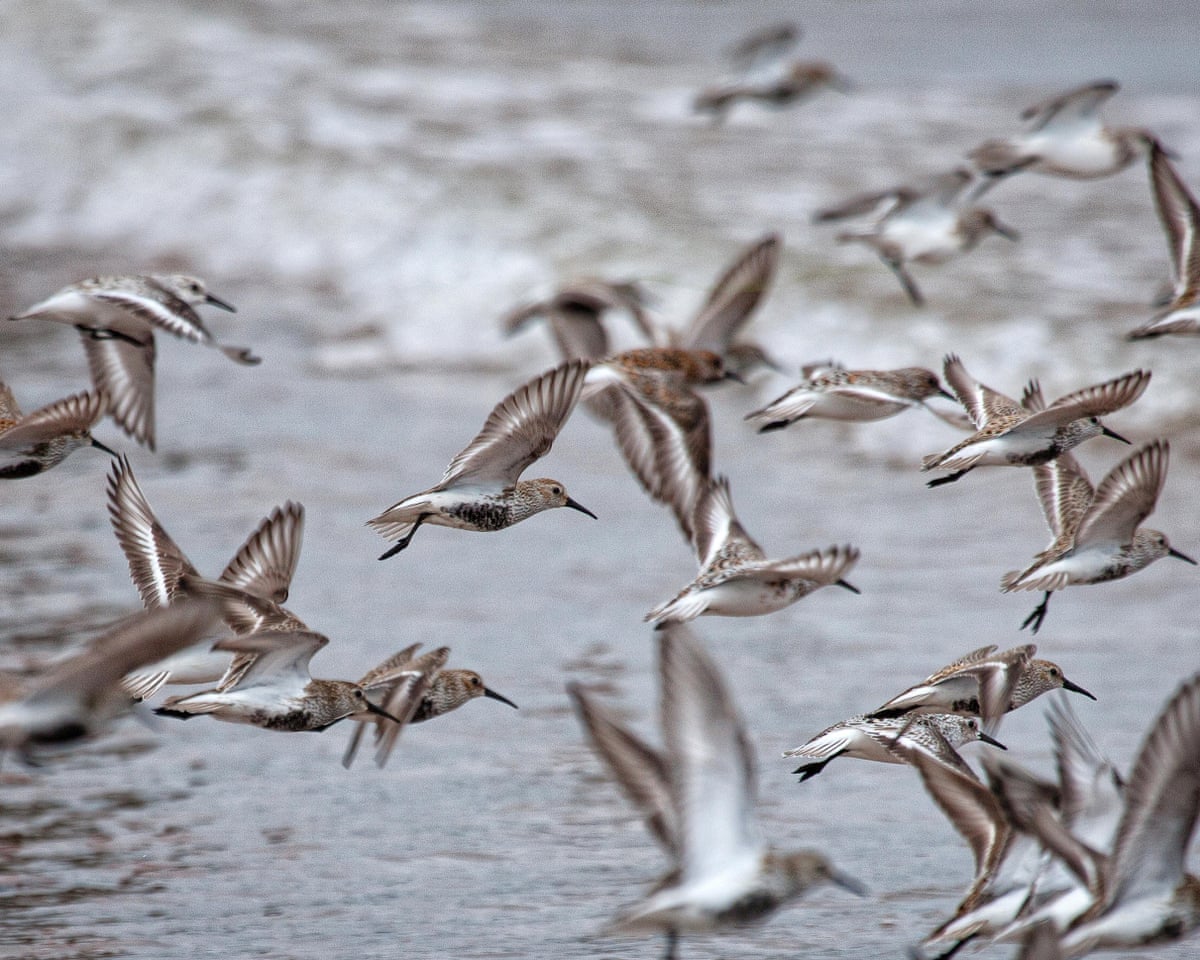
Notable among the arriving flocks are groups of dunlins, which gather in large clusters across the exposed silt. Weighing around 50 grams, these diminutive shorebirds are recognizable by their brownish-grey upper feathers, white bellies, and short, downcurved bills. Observers note that the birds probe the mud continuously for food before occasionally taking flight together, their pale undersides catching the sunlight as they wheel overhead.
Many of these dunlins have completed extensive flights of thousands of miles after nesting in eastern Europe or Russia. While dunlins also breed on upland moors and grasslands across northern England and Scotland, those British populations typically fly south toward southern Europe and northern Africa for winter. In their absence, northern and eastern migrants fill Poole Harbour, where dunlin counts can surpass 2,000 individuals by January.