Birds
Kakapo recovery highlights wildlife conservation gains
A biennial biodiversity report details successful interventions that saved dozens of species from extinction, including New Zealand's rare parrot.
Reported by The Guardian · · 1 min read
The latest edition of the Living Planet Report highlights important conservation victories across the globe, offering evidence that targeted interventions can successfully turn the tide for endangered wildlife.
Titled The Science of Hope, the biennial publication notes that dedicated preservation measures have prevented the extinction of dozens of species since 1993, specifically shielding 32 bird varieties and 16 mammalian species. It also points to stabilizing or expanding populations among wild tigers, elephants, and sea otters, alongside signs of broader progress in reducing reliance on fossil fuels.
The recovery of New Zealand's flightless parrot
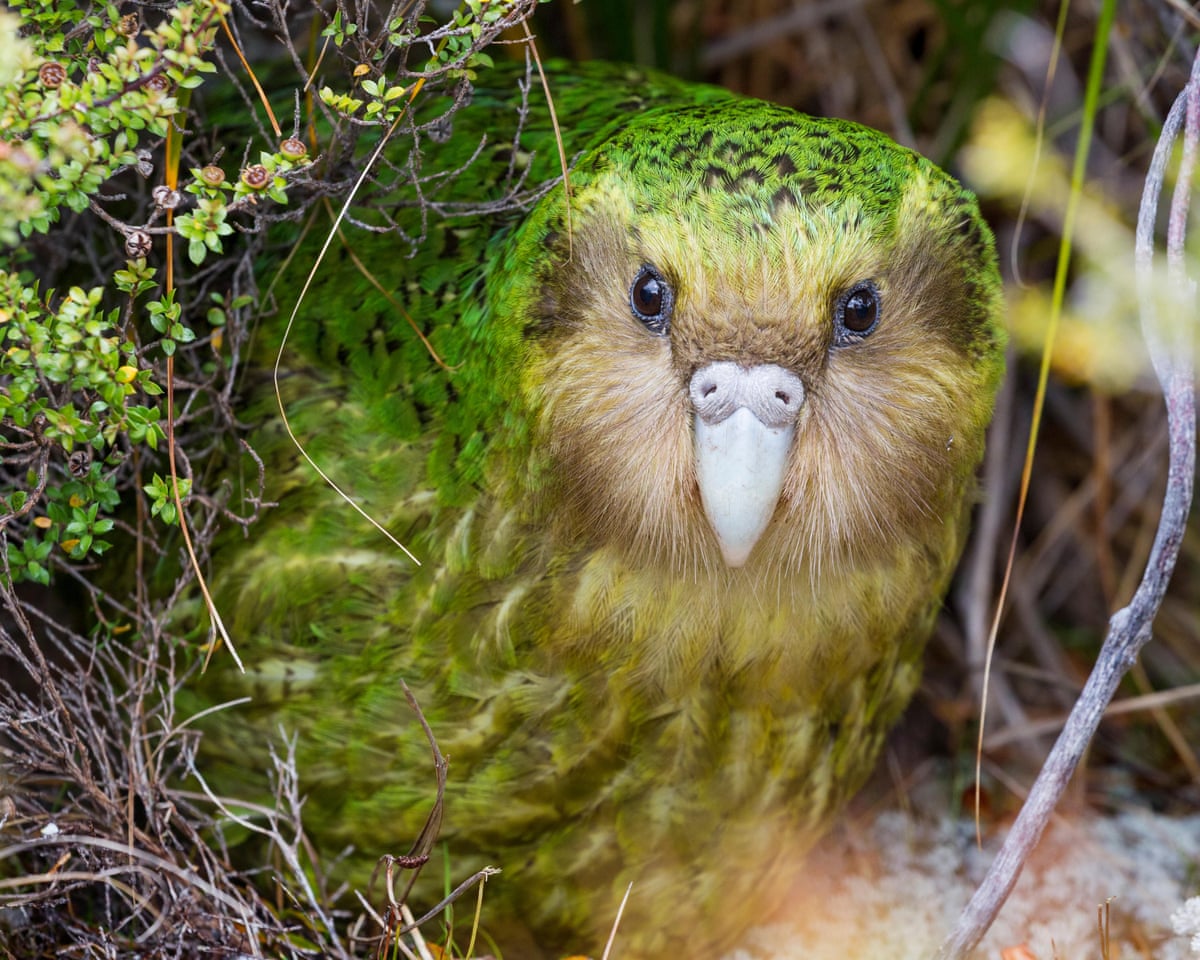
A prominent example of this persistence is the kākāpō, a heavy, flightless green parrot native to New Zealand. After invasive predators decimated their numbers and brought the species close to complete collapse, wildlife managers relocated the surviving birds to secure, predator-free offshore islands during the mid-1990s.
When initial population growth remained sluggish, conservation teams adopted more intensive management methods. Staff began hand-rearing chicks, utilizing foster mothers, and deploying artificial insemination techniques. Modern tracking tools were also introduced, outfitting each individual with smart transmitters to permit near-constant observation.
Technology and scientific breeding
Recent technological advancements have further bolstered the program. Researchers have mapped the entire genome of every surviving kākāpō, using genetic data to guide captive breeding pairings and maximize genetic diversity across future generations.
These intensive, science-driven measures have delivered substantial results. In 1995, the global kākāpō population stood at a precarious total of just 51 individuals. Today, the census counts 324 birds, representing a major rebound for a species with a notoriously slow reproductive cycle.
While conservationists caution that the kākāpō is not yet entirely out of danger, the turnaround demonstrates how combining clear objectives, actionable management strategies, and sustained resilience can pull imperiled species back from the brink.