Ocean life
El Niño warms California waters, imperiling marine life
Rising ocean temperatures along the central coast disrupt essential food webs, degrading vital kelp forests and starving native seabirds.
Reported by The Guardian · · 2 min read
A powerful El Niño has generated intense marine warming across California's central coast, triggering widespread disruptions for coastal species and marine ecosystems. Ocean conditions typically found much farther south are now emerging around Monterey Bay, where scientists report rapid heating from shallow coastal zones down into deeper layers.
Sensors attached to deep-water buoys indicate that temperatures in the ocean's thermocline layer have surged roughly eight degrees Celsius above typical baselines. According to researchers at the Monterey Bay Aquarium Research Institute, deep waters two hundred feet below the surface have reached unusually warm levels, coinciding with a ten-fold collapse in local phytoplankton concentrations that sustain regional food chains.
Ecosystem Collapse and Displaced Species
The influx of warm, nutrient-poor water has severely impacted underwater kelp forests, which provide shelter and food for numerous organisms. Marine biologists note that elevated sea temperatures have caused vast stretches of kelp to deteriorate and disintegrate. In the wake of this decline, hungry sea urchins actively consume emerging juvenile kelp frills, hindering the forest's ability to regenerate.
Unusual marine visitors have followed the warm currents northward. Observers have recorded sightings of southern species rarely encountered in the area, including halfmoon fish, winged comb jellyfish from tropical waters, Humboldt squid, and juvenile garibaldi. Whale sharks have also been sighted off Malibu, demonstrating the wide geographic shifts underway.
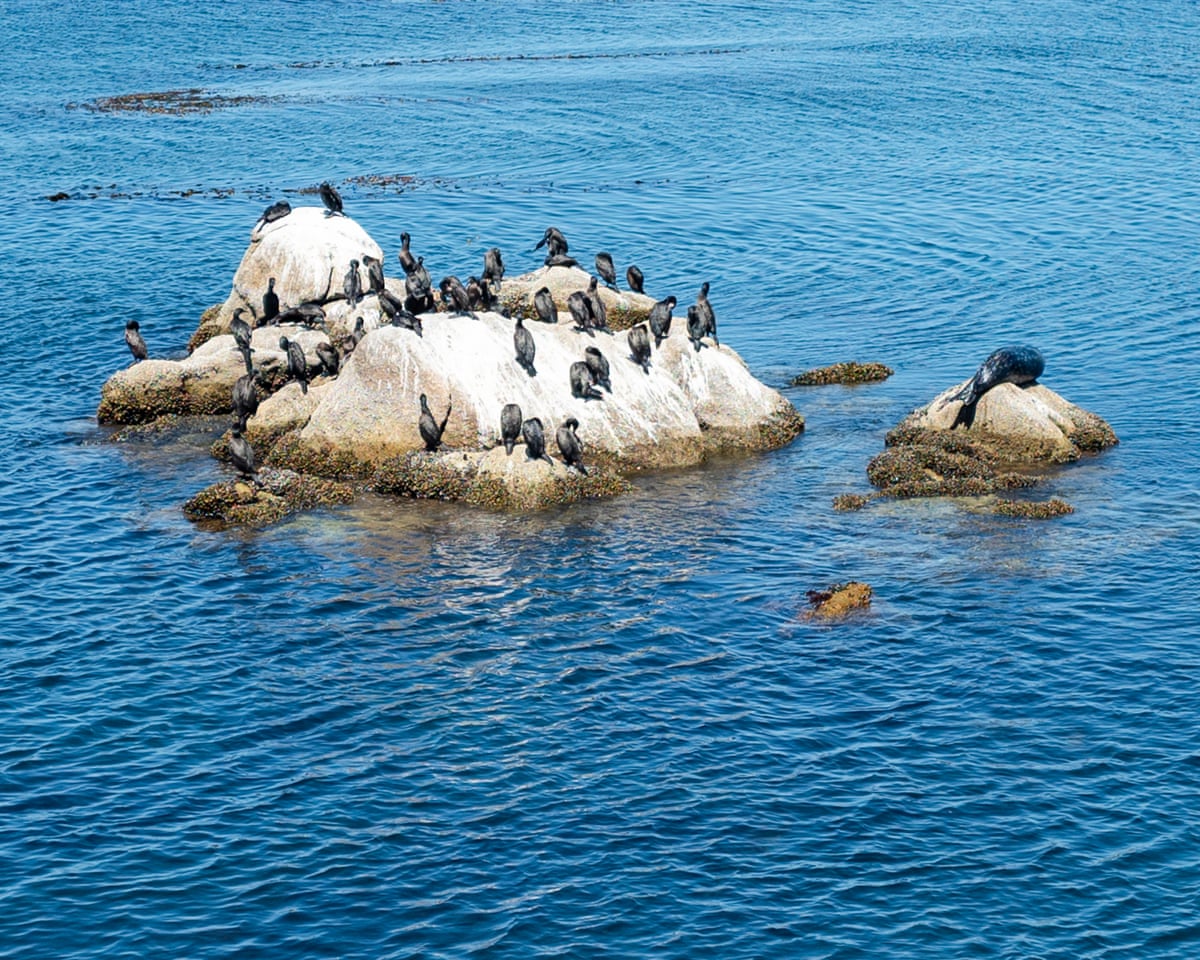
Along coastal shorelines, the disruption has taken a heavy toll on seabirds. Researchers have found hundreds of dead or emaciated birds, including common murres, brown pelicans, and Brandt's cormorants, between Los Angeles and San Francisco. Biologists explain that prey fish are retreating into colder, deeper waters beyond the normal foraging reach of these diving birds.
Shoreline environments also face combined pressure from surging tides and shoreline armoring such as seawalls. Conservationists monitoring protected western snowy plovers explain that these small shorebirds rely heavily on insects living within beach-cast kelp. With beaches narrowing and kelp dying offshore, researchers caution that marine and coastal wildlife may face prolonged hardship before conditions stabilize next spring.