Habitats and conservation
Targeted protection aids wildlife recovery
Encouraging gains for tigers, tuna, and sea turtles demonstrate that dedicated conservation interventions can successfully halt severe wildlife drops.
Reported by The Guardian · · 1 min read
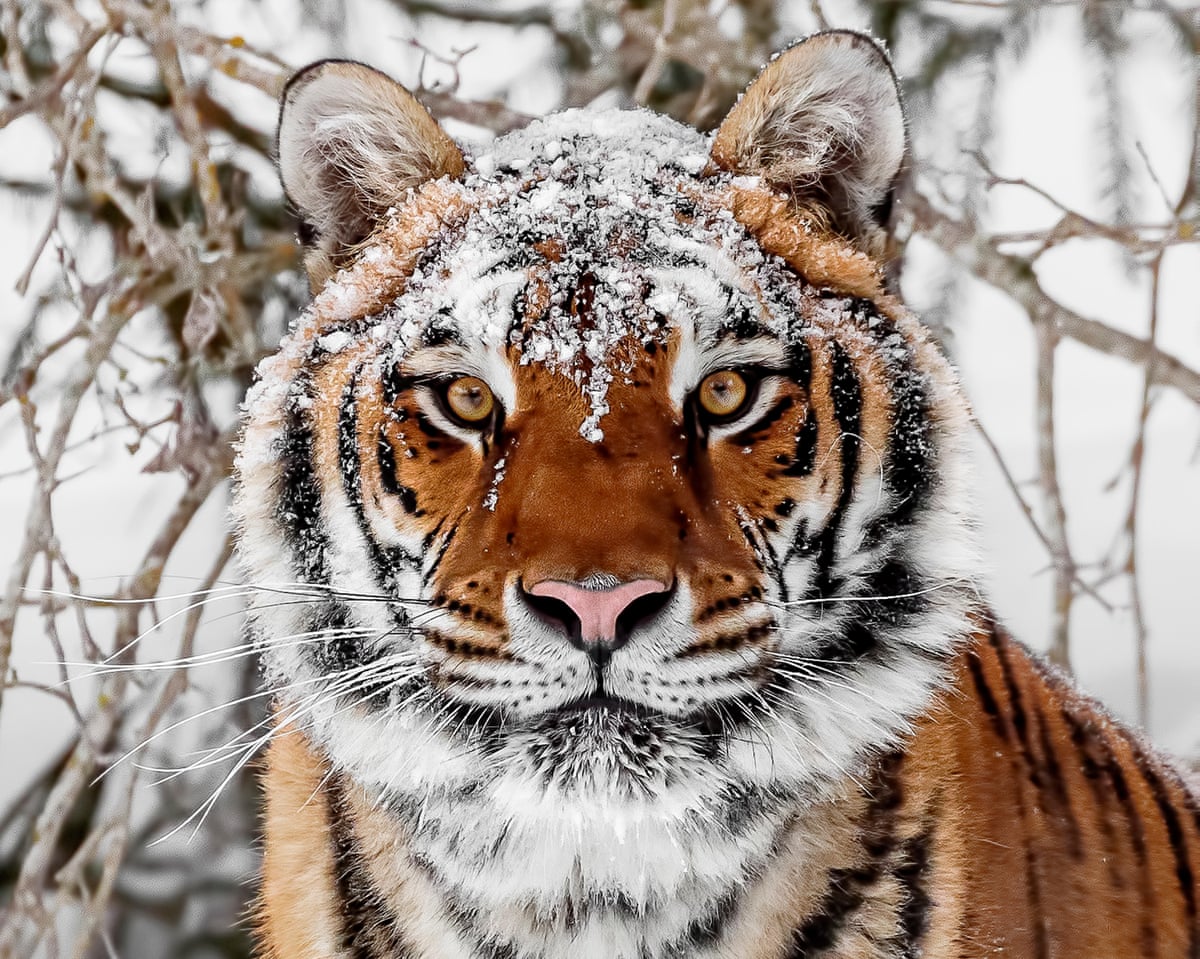
Targeted conservation initiatives have helped wild tigers, bluefin tuna, and green sea turtles rebound, proving that biodiversity decline is not unavoidable, according to a major study published by the World Wildlife Fund.
The broad assessment tracked approximately 36,000 animal groups representing over 5,000 vertebrate varieties. Across the tracked groups, numbers dropped on average by 73 percent between 1970 and 2022. Researchers stressed that overall degradation shows few signs of abating.
Geographic differences were stark across the surveyed habitats. Tropical areas faced the heaviest drops, with Central and South America recording average decreases of 95 percent among land and river creatures. African wildlife fell by 80 percent, while European and Central Asian numbers dipped by 23 percent.
Water systems registered the most severe contractions globally. Populations inhabiting rivers and freshwater bodies decreased by 85 percent on average, surpassing drops among land dwellers and marine species.
Signs of resilience
Despite extensive losses, specific species highlight the potential of focused interventions. Around 2010, the planet held roughly 3,200 wild tigers, but coordinated protection has since expanded their numbers to approximately 5,700, representing an increase above 70 percent.
Marine life has shown comparable resilience under proper management. Both Atlantic and Pacific bluefin tuna have rebounded following decades of severe depletion, removing them from threatened classifications. Similarly, green sea turtles saw their threat classification lowered after half a century of coordinated measures spanning roughly 80 nations.
Scientists involved in the study cautioned that focused wildlife protection cannot solve broader systemic pressures by itself. WWF researchers pointed out that global food production remains a leading contributor to habitat destruction and deforestation, arguing that transforming agricultural systems will be essential to sustain broader ecological health.


