Birds
Northern Ireland fails to protect wild bird habitats
An environmental watchdog found regional authorities neglected legal duties to maintain specialized conservation areas for vulnerable avian species.
Reported by BBC News · · 2 min read

Northern Ireland's agriculture and environment department has breached legal standards by failing to protect wild birds and their habitats, according to findings from an official environmental investigation. The Office for Environmental Protection revealed that the authority did not comply with conservation laws requiring it to properly classify and update Special Protection Areas across the region.
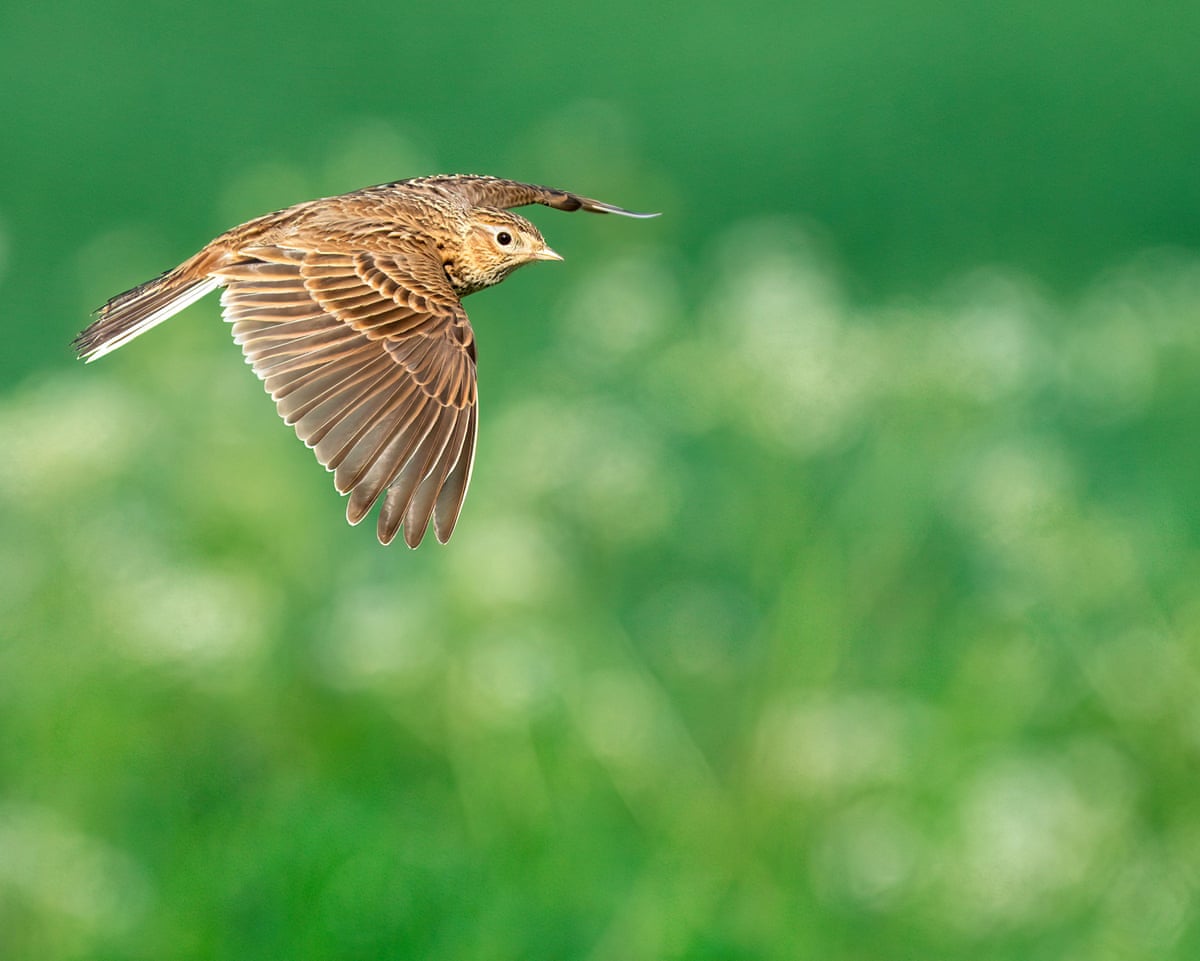
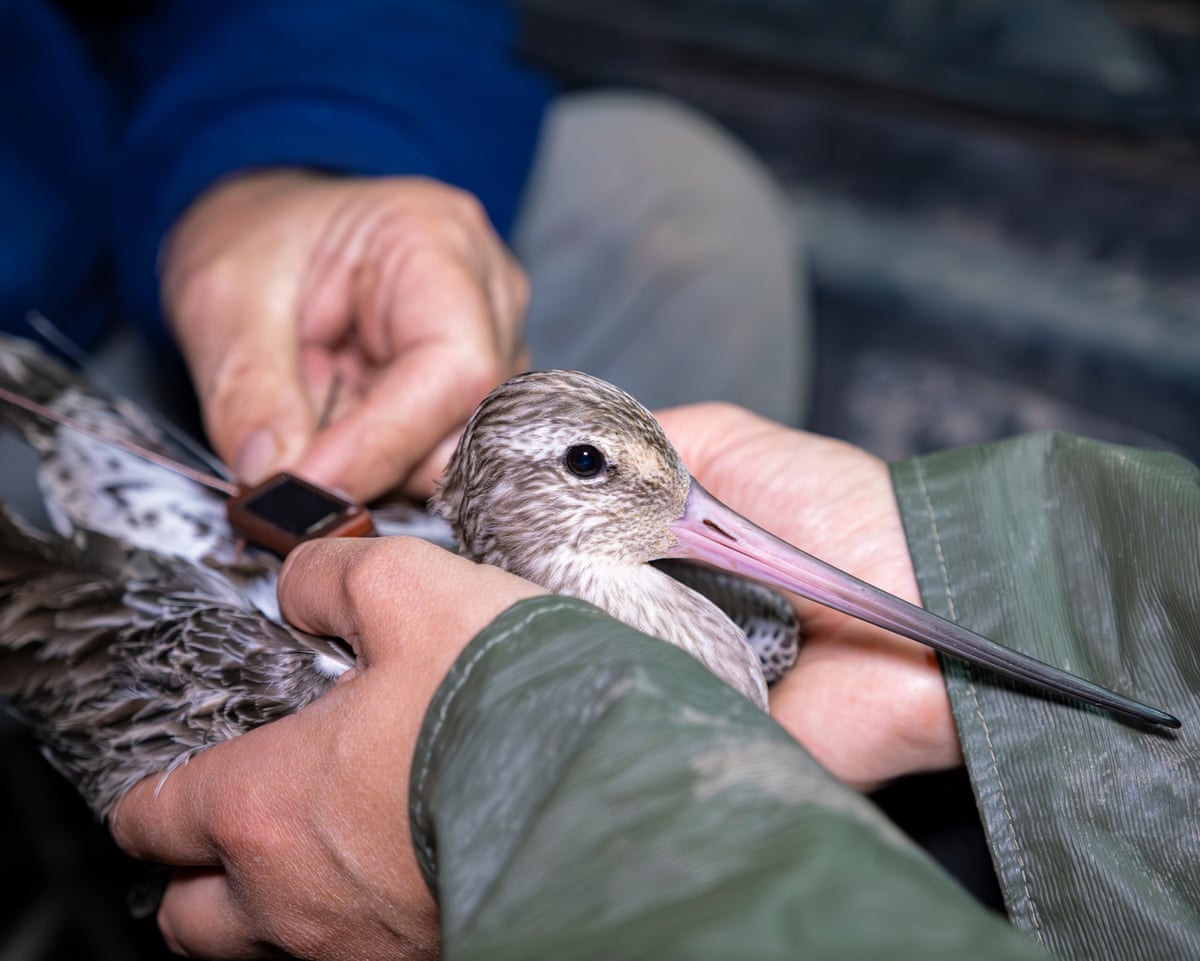
These specialized reserves are critical for rare and threatened bird species, including whooper swans and curlews, whose numbers continue to diminish locally. Watchdog investigators concluded that authorities had not implemented essential actions to preserve or restore bird populations and surrounding nesting grounds. Helen Venn, chief regulatory officer at the oversight body, acknowledged that minor steps occurred but noted that lengthy administrative delays contributed substantially to wild bird declines.
Recommended conservation reforms The watchdog issued a formal decision notice detailing widespread systemic shortcomings. The report emphasized that the department failed to enact targeted safeguards for struggling birds, neglected designated wildlife spaces, and missed a mandatory assessment of habitat conditions. Watchdog officials instructed the department to revisit outstanding proposals from a 2001 conservation review and publish transparent ecological justifications whenever those measures cannot be implemented.
In addition, investigators urged the ministry to identify specific drivers of avian decline and establish funded plans capable of maintaining fragile populations. The watchdog also directed regional authorities to complete a long-delayed habitat sufficiency audit as rapidly as feasible, ensuring that existing gaps in land management are systematically identified and resolved.
Responding to the findings, Environment Minister Andrew Muir acknowledged that the report presented uncomfortable realities, affirming that protecting wild bird populations represents a serious legal and ethical commitment. While pointing to positive nature recovery projects and recent sustainable agriculture packages, Muir noted that overcoming the biodiversity crisis requires significantly higher funding and cross-government support.
Joanne Sherwood, director of the charity RSPB NI, noted that conservation groups have highlighted these systemic governance failures for decades. Calling the watchdog findings a critical turning point, Sherwood urged regional leaders to supply the resources needed to establish robust protections and reverse downward trends for vulnerable wild birds.