Reptiles and amphibians
Museum specimens link fungus to historic frog declines
Researchers found that a deadly pathogen struck Brazilian amphibians around 1979, but several species have since shown notable signs of recovery.
Reported by ScienceDaily · · 1 min read
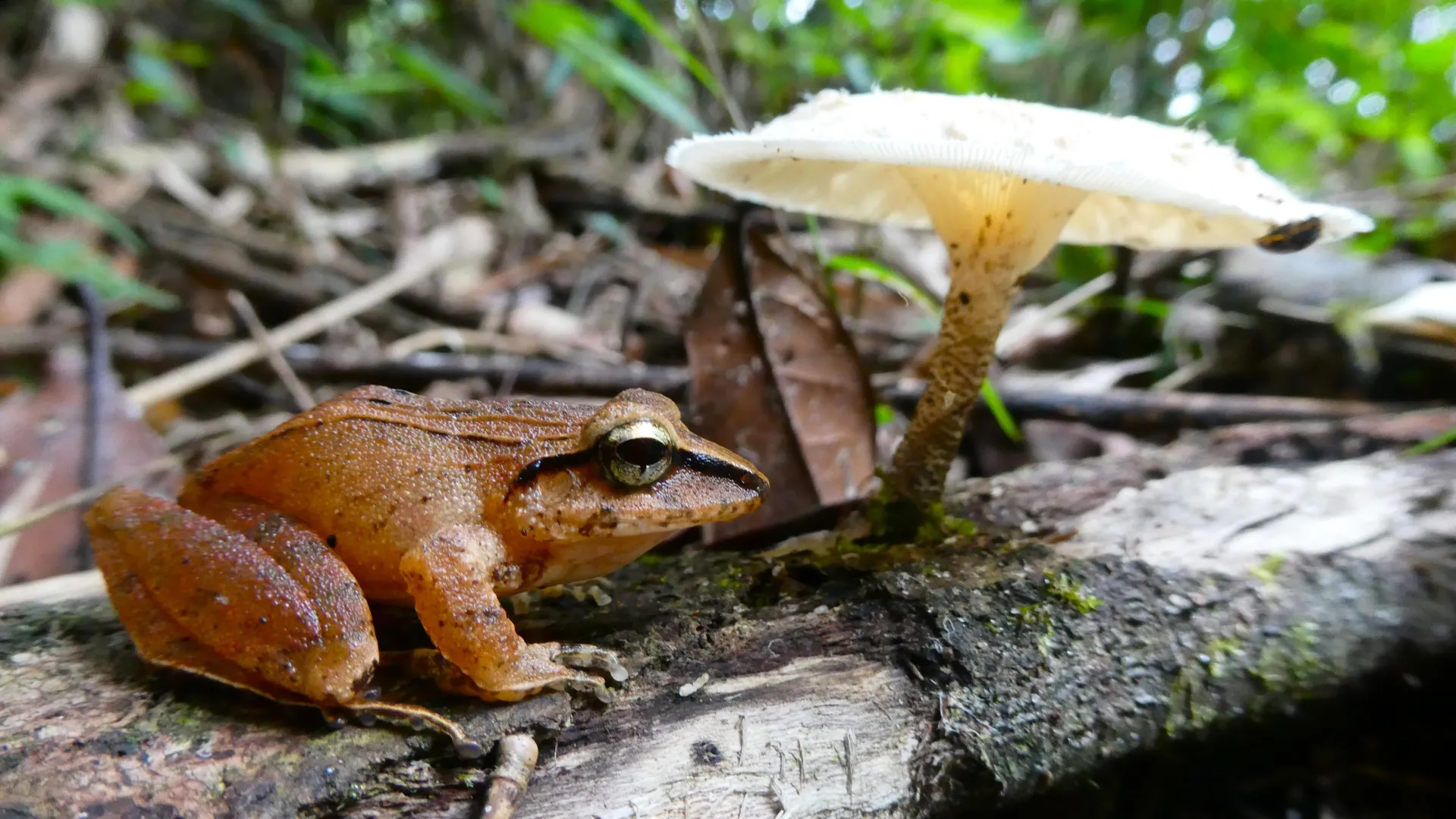
A decades-old wildlife mystery in South America may finally have an answer. For nearly half a century, biologists puzzled over sudden amphibian collapses recorded during the late 1970s at the Boraceia Biological Station in eastern Brazil. New research examining preserved museum specimens indicates that an invasive fungal epidemic arrived at the exact moment frog numbers began crashing.
The investigation, conducted by scientists from Pennsylvania State University and the Smithsonian Institution, focused on the microscopic pathogen Batrachochytrium dendrobatidis. Commonly referred to as chytrid, this fungal threat triggers chytridiomycosis, an illness responsible for devastating global amphibian populations before scientists formally identified the organism in 1999.
To understand the timing of the collapse, investigators turned to historical collections gathered by former curator William Ronald Heyer. His expeditions spanned both sides of the crisis, yielding hundreds of preserved creatures from before and after the sudden disappearances. Testing on more than 370 museum specimens across 17 species revealed zero fungal traces in animals collected before 1979, whereas over 50 percent of amphibians preserved during the following decade harbored the pathogen.
Intriguingly, species that experienced the sharpest population losses showed no physical signs of the fungus in specimen jars. Researchers suggest that highly vulnerable species perished too quickly for infected individuals to be collected. Conversely, hardier species likely survived while harboring the fungus, which explains why stable populations frequently tested positive in archival samples.
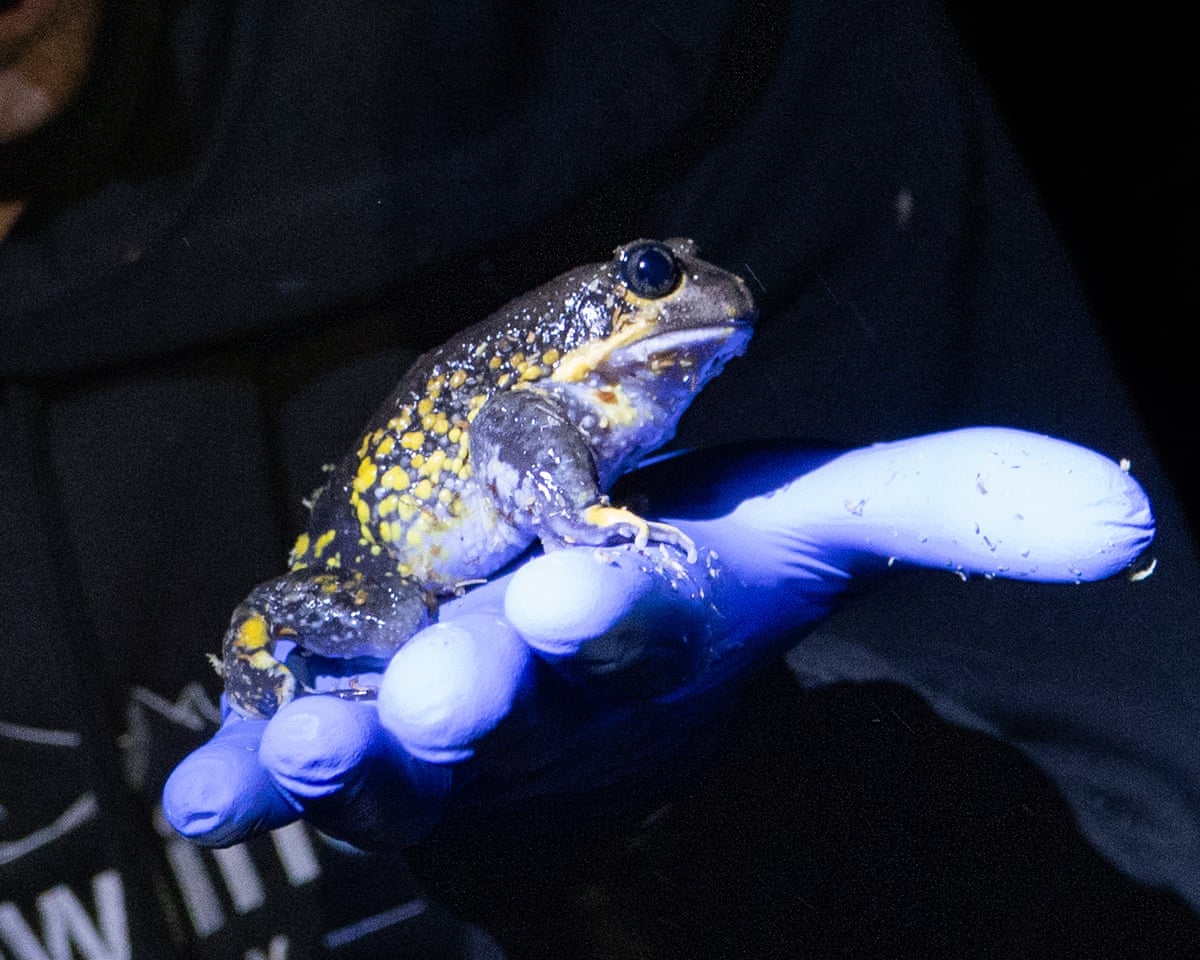
Recent field work at the reserve between 2022 and 2024 offers unexpected optimism. Surveyors identified 12 of the original 17 species, demonstrating that most local populations have rebounded despite the ongoing presence of the fungus. Scientists believe that surviving lineages gradually developed greater tolerance across generations, providing crucial insights into how animals endure novel disease threats.