Insects and pollinators
Common garden weeds attract highest pollinator visits
An eight-year citizen science project shows that autumn ivy blooms and hogweed provide crucial sustenance for bees, butterflies, and beetles.
Reported by The Guardian · · 2 min read
Plants commonly dismissed by property owners as unwanted weeds are proving to be the primary magnet for pollinating insects in Britain. An eight-year initiative tracking floral traffic found that species often targeted for removal, such as common ivy and hogweed, regularly drew more winged visitors than conventional garden flowers.
The findings stem from the UK Pollinator Monitoring Scheme, a long-term research effort operated by the UK Centre for Ecology & Hydrology alongside the Joint Nature Conservation Committee. Since 2017, participating volunteers have conducted ten-minute observational counts to log the variety and frequency of insects arriving at different blossoms.
Common ivy emerged as the top destination for foraging insects, generating roughly 22 arrivals during an average ten-minute observation window. Hogweed ranked a close second with 20 recorded arrivals, while bramble, knapweeds, thistles, and non-native buddleia each averaged around 14 visits. Buddleia was particularly effective at drawing moths and butterflies, pulling in four times the volume observed on other top-performing blooms.
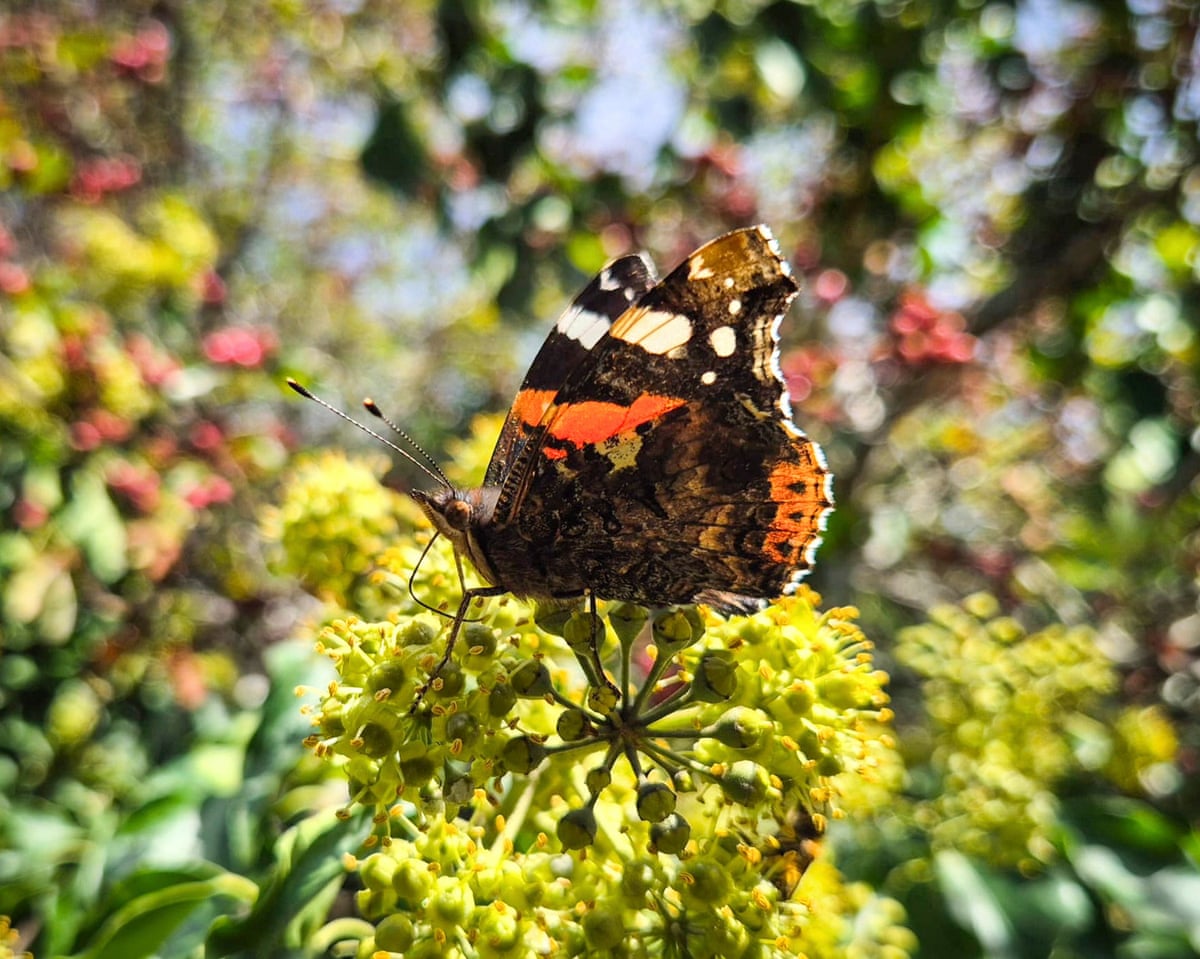
Conservationists highlighted the vital ecological role played by native ivy during the colder months. Jo Milborrow of Butterfly Conservation explained that ivy foliage serves as a breeding ground for holly blue butterflies while its autumn nectar feeds red admirals and commas. Because of its exceptional value to insect life, advocates are urging residents to cultivate rather than eradicate the hardy climber.
The long-term census presented mixed trends for insect populations across the British landscape. Recorded hoverfly numbers dropped by approximately one-third in both overall headcounts and species diversity. In contrast, solitary bees showed gains in one survey, while honeybees, beetles, and other non-hoverfly flies also registered higher figures, indicating that residential green spaces may serve as essential sanctuaries.
Organizers note that members of the public can join upcoming observation efforts between April and September by registering on the project website. Martin Harvey, a coordinator with the ecology center, remarked that participants routinely praise the experience of surveying wildlife while witnessing the intricate connections linking insects to floral habitats.