Insects and pollinators
Urban garden supports migrating monarch butterflies
A Chicago resident cultivates native flora to offer essential refuge and nourishment for imperiled pollinators traveling southward toward Mexico.
Reported by The Guardian · · 1 min read
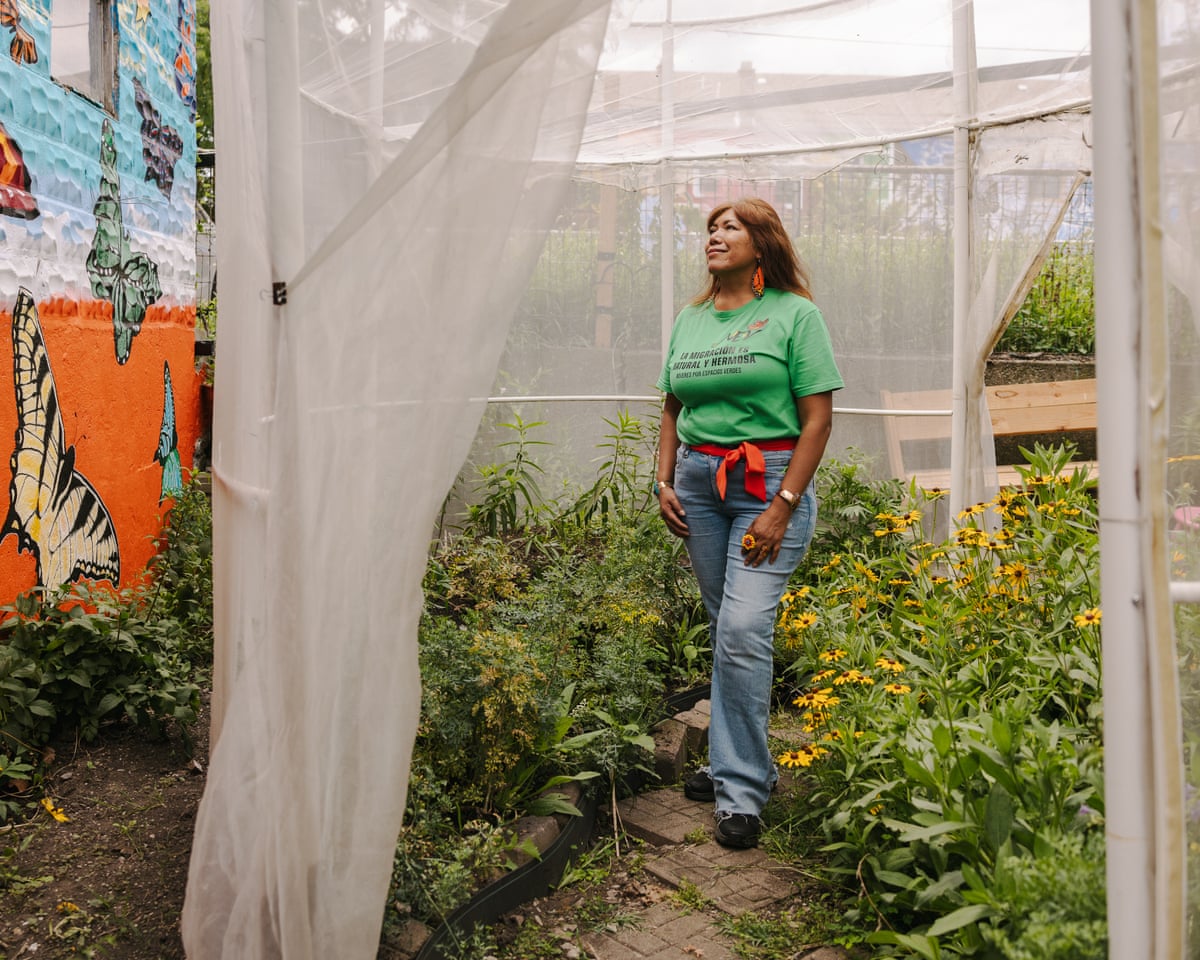
In the urban setting of Chicago, dedicated community gardening is creating vital waystations for monarch butterflies completing their annual southward migration. One local resident, Claudia Galeno-Sanchez, has converted both her front and back yards into a thriving habitat filled with indigenous wildflowers and milkweed.
The initiative provides crucial sustenance for insects undertaking a journey spanning nearly 3,000 miles from northern regions toward wintering grounds in Mexico. Over the past two decades, researchers have tracked steep declines across both eastern and western monarch populations, driven by severe weather linked to climate change, widespread chemical pesticide exposure, and rampant habitat loss.
Rebuilding natural habitats
Conservation efforts to list the monarch under the Endangered Species Act in the United States have faced setbacks, with federal determinations recently postponed until 2030. Although eastern populations recorded slight increases recently, specialists caution that long-term losses continue to outstrip short-term recoveries, keeping the species vulnerable to extinction.
Galeno-Sanchez initially believed rearing caterpillars in indoor enclosures was the ideal preservation tactic. She subsequently discovered that indoor rearing harms wild survival instincts, as developing insects require direct sunlight, natural temperature fluctuations, and exposure to wild elements to build the physical strength needed for long-distance flight.
Expanding neighborhood green corridors
Beyond her private residence, the conservation project has expanded across the surrounding Pilsen neighborhood. Working alongside local academic institutions, Galeno-Sanchez has established eight separate native plant installations and supplies milkweed specimens to a neighborhood garden situated in an industrial sector.
These neighborhood plantings are funded through donations, which finance plant purchases and provide small stipends for volunteers assisting with regular maintenance. Supported by an environmental non-profit she helped establish, the initiative aims to build deeper partnerships with schools to educate children on environmental stewardship, emphasizing that sheltering fragile pollinators ultimately preserves broader ecological balance.