Birds
Maputo park shelters imperiled migratory birds
The protected haven in Mozambique offers critical feeding and resting grounds for declining species traveling along the vast East Atlantic Flyway.
Reported by Mongabay · · 2 min read

As delegates gather in Armenia for a United Nations summit on global biodiversity targets, conservationists point to Maputo National Park in Mozambique as a crucial refuge for migratory avians. The assessment follows recent findings in the State of the World's Birds evaluation, which revealed that roughly half of tracked migratory bird populations are in decline.
Located along the southern coastline of Mozambique, the reserve encompasses roughly 1,700 square kilometers of combined land and marine environments. Its diverse terrain includes mangrove forests, coastal lagoons, freshwater waterways, mudflats, and wetlands. These habitats sit inside the Maputaland Centre of Plant Endemism, a recognized international biodiversity hotspot.
According to Alex Ngari of BirdLife International Africa, the reserve acts as a vital conduit linking northern nesting territories across Eurasia with overwintering destinations in southern Africa. Flying birds arrive exhausted after journeys spanning thousands of kilometers, relying on local coastal flats to feed and regain energy before continuing their cycles.
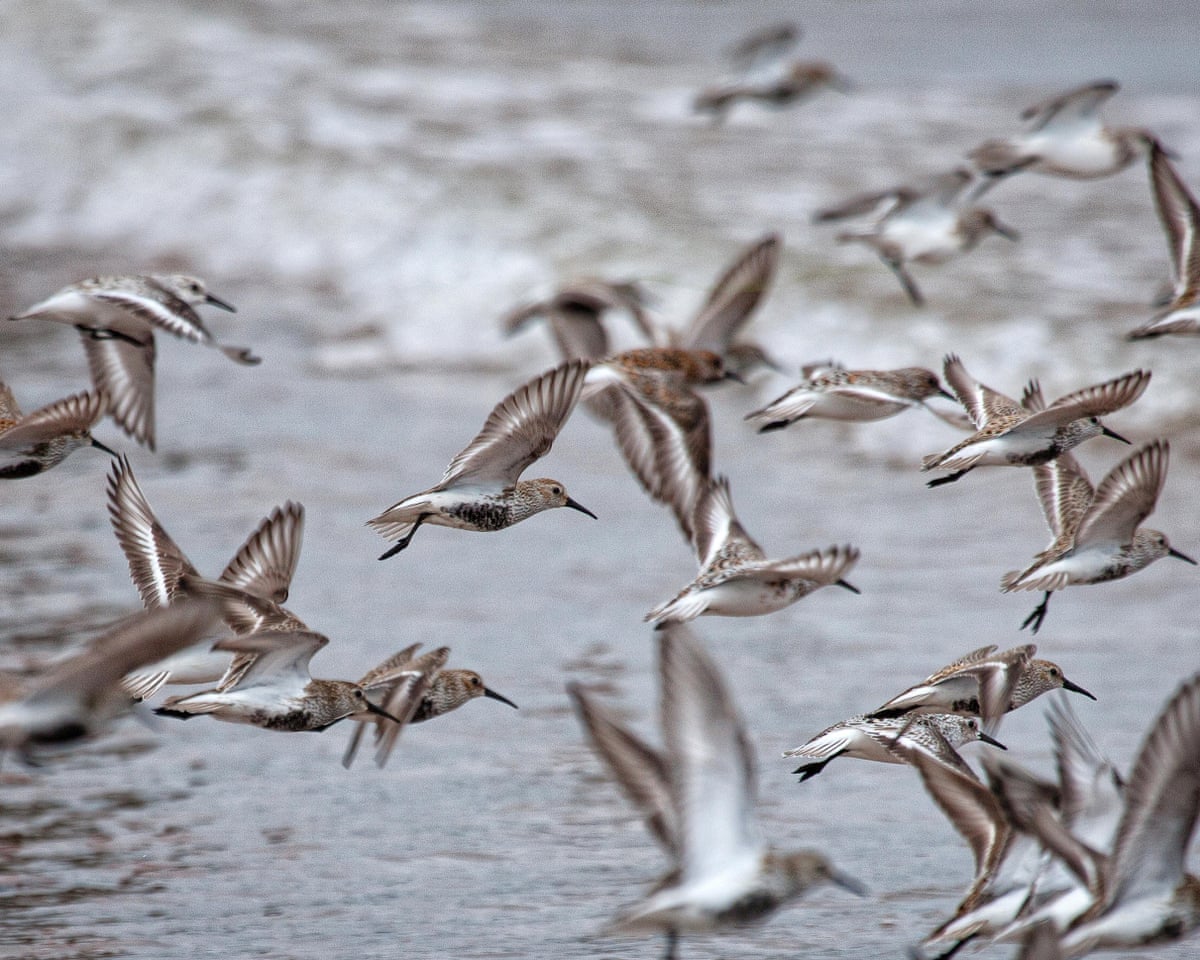
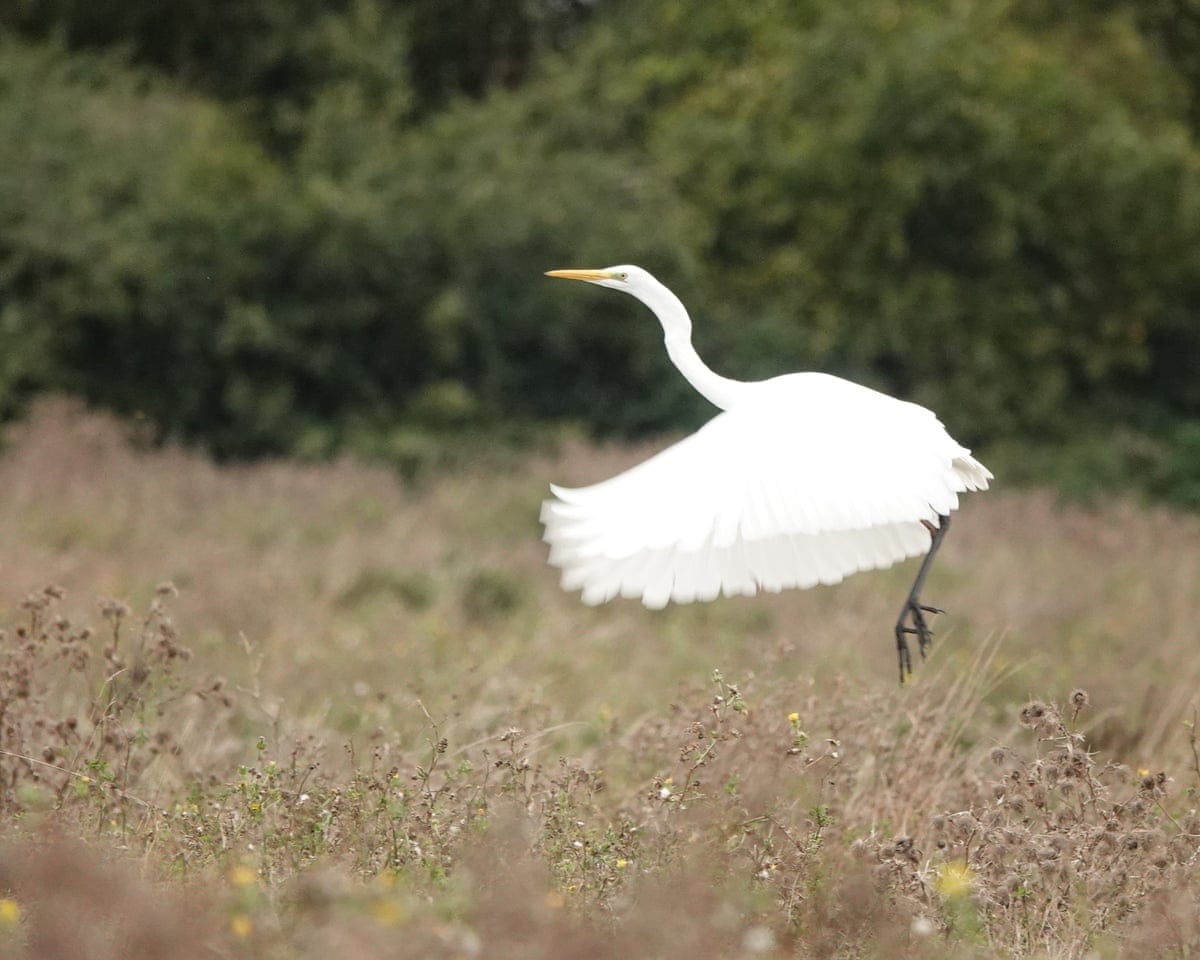
Among the vulnerable species depending on these grounds is the curlew sandpiper, a shorebird that reproduces in Arctic climates before heading south to feed on mudflat invertebrates. Seasonal waters throughout the park also sustain numerous other species, including ospreys, Madagascar bee-eaters, flamingos, and multiple kinds of herons.
The park was formally established in late 2021, merging previously separated terrestrial and oceanic zones following earlier years of civil conflict. Since 2010, conservation initiatives have relocated upwards of 5,000 animals into the perimeter alongside efforts to stabilize dunes, curb poaching, and restore depleted natural areas.
Management of the park is run cooperatively between Mozambique's National Administration for Conservation Areas and the Peace Parks Foundation, in coordination with nearby human settlements. Bartolomeu Soto of the foundation noted that local residents participate in monitoring the environment, planting mangroves, and regulating fisheries, which supports communal livelihoods and food supplies.
While the reserve forms part of a recognized UNESCO World Heritage expanse shared with iSimangaliso Wetland Park, specialists emphasize that isolated sanctuaries cannot succeed alone. The East Atlantic Flyway spans approximately 75 nations and 90 million birds, meaning degradation of stopover sites along the route jeopardizes populations regardless of local protections in southern Africa.