Wild mammals
Canopy bridges protect Amazon primates from highway traffic
Aerial rope crossings installed across Brazilian roads have recorded thousands of safe animal transits and stopped vehicle strikes.
Reported by The Guardian · · 2 min read
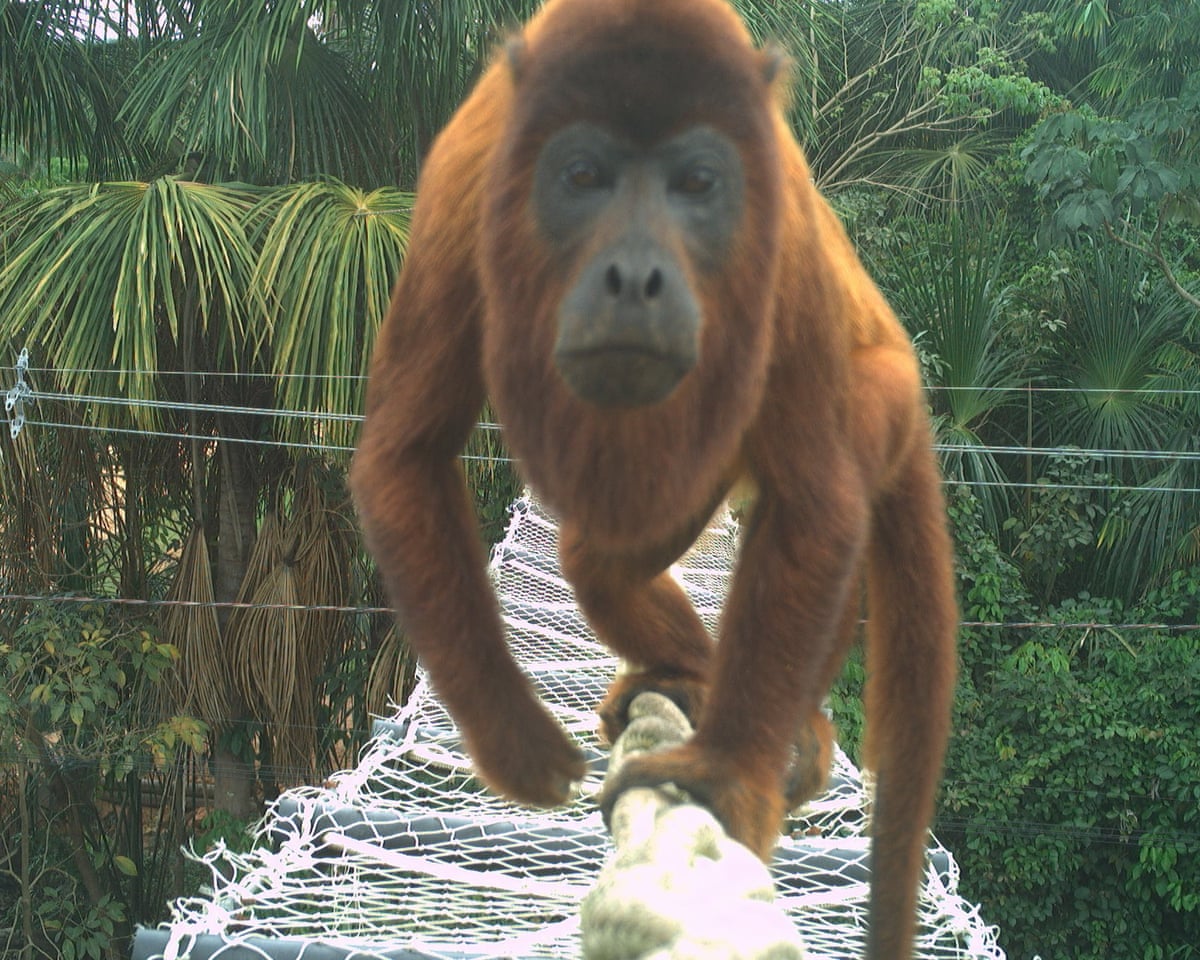
Aerial canopy bridges installed across roads in the Brazilian Amazon have helped tree-dwelling animals navigate fragmented forests safely, eliminating wildlife road casualties in targeted corridors. In the municipality of Alta Floresta, eight elevated structures recorded 15,000 animal crossings over a 15-month span without a single vehicle collision, according to monitoring data from Projeto Reconecta.
The initiative was launched after local researchers and community members noticed increasing wildlife collisions involving endangered species. The project was founded by Fernanda Abra, a researcher affiliated with the Smithsonian National Zoo and Conservation Biology Institute. Shortly before the Alta Floresta crossings were put in place, researchers discovered two dead Schneider's marmosets along the route, highlighting the immediate danger traffic poses to rare species.
Tailored bridge designs
Motion-activated cameras track each site, monitoring which creatures choose to cross and which hesitate. Cameras have captured numerous primate species using the network, including tufted capuchins, Purús red howler monkeys, black-faced black spider monkeys, and the critically endangered Alta Floresta titi monkey. Other animals such as sloths and opossums also travel along the ropes.
Because different tree-dwelling species move in distinct ways, researchers created multilayered rope structures that allow animals to walk, brachiate, or grip with prehensile tails. The design builds upon earlier work from 2021, when Abra partnered with the Waimiri-Atroari Indigenous community to place 32 aerial bridges across highway BR-174 in northern Brazil, recording more than 1,200 primate crossings.
Expanding protective networks
Highways pose severe threats across Brazil, where millions of wild mammals perish on roads annually. Beyond direct fatalities, transportation routes isolate wildlife groups into smaller pockets, limiting genetic diversity and risking inbreeding. The loss of fruit-eating monkeys also disrupts essential ecological tasks like seed dispersal across the forest.
Following the successful trial in Alta Floresta, conservationists plan to install eight more bridges in urban sectors after local utilities insulate adjacent power cables. Brazil's transport infrastructure department recently recognized the Reconecta structure as a recommended highway standard, while national legislation requiring wildlife crossings awaits a final legislative vote.