Wild mammals
Australia drafts strategy to curb fox predation
A thirty-year national proposal aims to safeguard vulnerable wildlife from invasive foxes through secure refuges and coordinated conservation methods.
Reported by The Guardian · · 1 min read
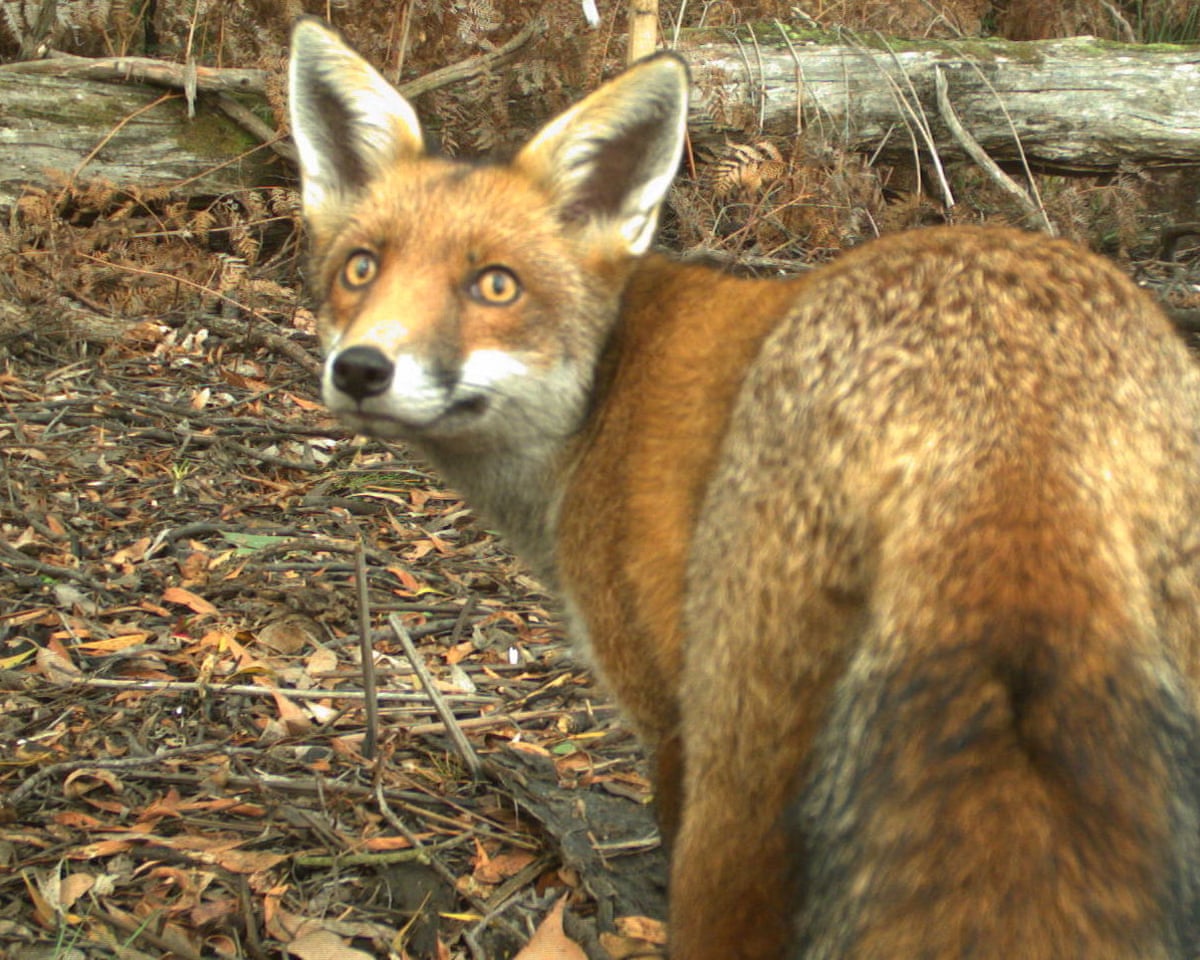
Australia is considering its first updated national initiative in nearly two decades to reduce the destructive toll inflicted on native fauna by invasive European red foxes. The non-native predators number roughly 1.7 million across wide swathes of the country, ranging from central Queensland down to South Australia and throughout Western Australia. Researchers calculate that the animals consume over 367 million indigenous mammals, 111 million birds, and 88 million reptiles annually, alongside substantial numbers of amphibians and invertebrates.
Because complete eradication on the mainland remains impossible, the newly drafted long-term framework focuses on defending the creatures facing the highest likelihood of extinction. Priority targets include critically imperiled animals like Gilbert's potoroos, eastern quolls, multiple bandicoot varieties, bettongs, hare-wallabies, Tasmanian pademelons, and seven kinds of freshwater turtles. Ecologists note that predation from foxes and cats, rather than environmental degradation or changing climates, represents the leading driver of the country's mammal losses.
Protecting critical species
The thirty-year plan urges increased investment in secure havens, including predator-proof fenced reserves and islands free of invasive carnivores. It also seeks greater legal and operational alignment between regional authorities and the federal government. While past interventions relied predominantly on poison baits, scientists emphasize that incorporating indirect management techniques offers more sustainable and cost-effective outcomes.
Implementing the recommended interventions would require approximately 175 million dollars across the opening five-year period, representing a noticeable rise from current annual allocations of five to seven million dollars. Officials note, however, that foxes inflict an estimated 190 million dollars in biodiversity harm every year, meaning successful abatement generates greater environmental value than its operational cost.
Conservationists argue that lasting financial commitments are essential to keep native populations from disappearing entirely. Advocates also stress the importance of community education, warning that public familiarity with foxes in urban and regional settings should not overshadow the urgent survival needs of vulnerable native fauna.