Wild mammals
Wales rules out mass badger cull in new TB strategy
Plaid Cymru's government says targeted wildlife measures will replace blanket culling as Wales works to eliminate bovine TB from cattle herds.
Reported by BBC News · · 2 min read

The Welsh government, now led by Plaid Cymru, has formally excluded a large-scale badger cull from its revised strategy for tackling bovine TB. The decision follows months of uncertainty after an expert advisory panel warned that far more decisive measures were needed to eliminate the disease from livestock, a point farming leaders had long pressed on ministers.
More than 28,000 people signed a public petition opposing culling on the Senedd website in the past few weeks. Ministers stated they would adopt a strategy grounded in scientific evidence, moving away from the previous Labour administration's goal of full eradication by 2041. Prior to the May Senedd election, the advisory panel that informs ministers had warned that target would not be met and called for additional funding.
Targeted wildlife measures
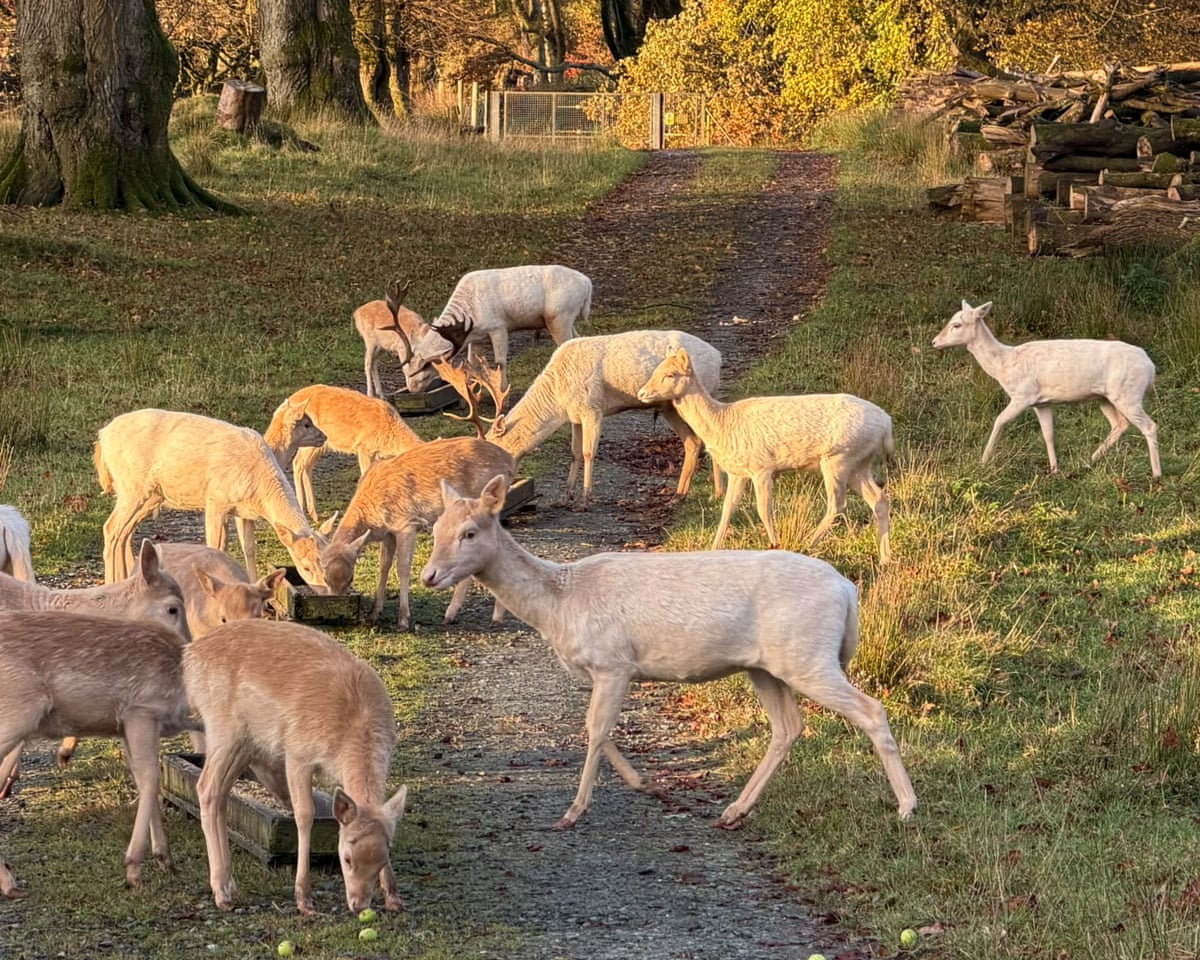
Ministers confirmed they are not planning a widespread, indiscriminate cull of badgers. New surveys and fieldwork will investigate how badgers and deer contribute to disease transmission. Depending on findings, officials may implement focused interventions such as capturing and testing individual animals before deciding whether to vaccinate or euthanise them. A pilot trapping programme had already been carried out on nine farms during 2017 to 2024, but the cost of eliminating a small number of animals attracted criticism. Officials acknowledged that selective removal remains a possibility, though they declined to set a timeline.
The updated plan also proposes changes to cattle testing to detect infections earlier, greater flexibility for farms under enhanced management, and a new advisory service for farmers and vets. Llyr Gruffydd, the minister responsible for rural resilience and sustainability, described bovine TB as a severe animal health challenge and pledged action spanning cattle, people, and wildlife.
The latest figures show that nearly 96 percent of Welsh cattle herds are now free of the disease, though the residual cases are concentrated in the west and along the English border. In the twelve months up to June 2026, more than 10,000 cattle were slaughtered after positive TB test results.
NFU Cymru head Abi Reader said the farming community had been hoping to see a concrete trap-and-test programme begin immediately, adding that farmers stuck in the heart of the problem needed more hope. FUW president Ian Rickman noted that the cumulative loss of roughly 92,000 cattle to the disease made closer cooperation between industry, veterinary services, and government essential. RSPCA Cymru cautiously welcomed the announcement but cautioned that the possibility of killing wildlife had not been entirely closed off. Nigel Palmer of The Badger Trust expressed disappointment that badgers are still being brought into the equation, arguing that Wales's strong performance record did not justify their inclusion.