Habitats and conservation
Tobago resort plan sparks concern over turtle nesting beach
A proposed 200-room luxury hotel project at Rocky Point faces pushback from conservationists worried about critical sea turtle nesting habitat.
Reported by The Guardian · · 1 min read
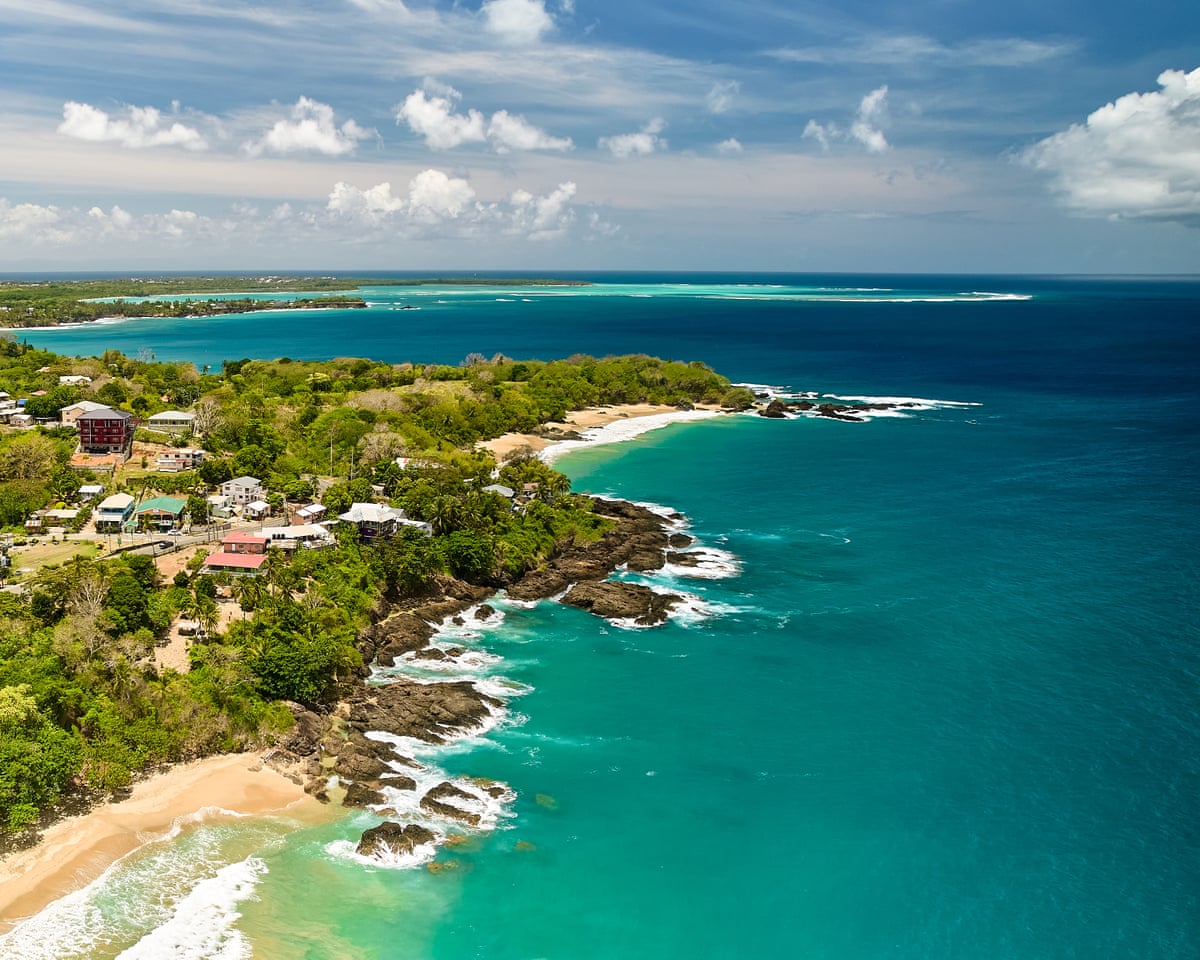
A dispute over a proposed major tourism development in south-west Tobago has highlighted rising tensions between economic expansion and wildlife conservation. The controversy surrounds Rocky Point, a scenic stretch of coastline along Back Bay known for thick vegetation, nearshore reefs, and essential breeding grounds for endangered marine life.
At the heart of the debate is an initiative to construct a 200-room hotel alongside private villas on 12 hectares of coastal land. Local developer Superior Hotels obtained a 99-year lease after a state agency invited investment proposals. Representatives of the local tourism association view private investment as a crucial path to modernize the island's hospitality sector and stimulate economic growth.
Risks to Turtle Habitats
Environmental advocates and community organizations argue the large footprint will cause irreversible damage. Back Bay serves as an important site where both leatherback and hawksbill turtles lay their clutches of eggs. Biologists warn that clearing mature beach flora, such as almond, coconut, and sea grape trees, will remove vital shade that cools the sand, disrupting the conditions eggs need to hatch safely.
Conservationists also caution that earthworks could generate sediment runoff capable of smothering nearby coral reefs. While developers plan silt barriers to contain loose dirt during construction, local advocates point out such measures frequently fail. Over a hundred formal objections were lodged during the review process, raising concerns that the conceptual drawings largely overlook the location's vulnerable ecology.
Mitigation and Next Steps
Although the Environmental Management Authority issued a clearance certificate accompanied by numerous mitigation mandates, critics view those restrictions as inadequate to protect such an ecologically sensitive shoreline. Company leaders declined detailed comment, pointing to the regulatory clearance, while other regional approvals remain pending.
Opponents continue to advocate for smaller community-managed alternatives, such as guided turtle tours and low-impact eco-lodges, arguing tourism must fit seamlessly into the surrounding wilderness.