Birds
Guatemala gains its first endemic bird in taxonomic update
The American Ornithological Society has split several avian populations into distinct species across the Americas, giving Guatemala a unique native motmot.
Reported by Phys.org · · 2 min read

Guatemala now claims its first strictly native avian species following the release of an authoritative catalog update by the American Ornithological Society. In its latest taxonomic supplement, published in the journal Ornithology, the society revised classifications for multiple bird populations across North, Central, and South America, formalizing numerous splits based on fresh genetic and behavioral findings.
Among the most celebrated decisions is the separation of the russet-crowned motmot into two distinct birds. The change officially designates the Guatemalan motmot as a separate species restricted entirely to the arid Río Motagua valley. Ornithologists justified the distinction through notable variations in crown and forehead plumage, diagnostic vocal patterns, and divergent DNA markers documented by researchers.
The committee also divided several well-known birds into regional varieties. The marsh wren has been reorganized into eastern and western designations after field investigations revealed that overlapping populations in Canadian marshes maintain unique singing repertoires and rarely interbreed. Committee scientists explained that natural selection appears to strongly discourage hybridization between the two groups despite their physical resemblance.
Similar habitat and vocal disparities led experts to split the willet into prairie and saltmarsh species, reflecting their separate breeding environments. Meanwhile, the mangrove warbler was recognized as distinct from the migratory yellow warbler, supported by differences in bill proportions, leg measurements, genetics, and tropical lifestyle.
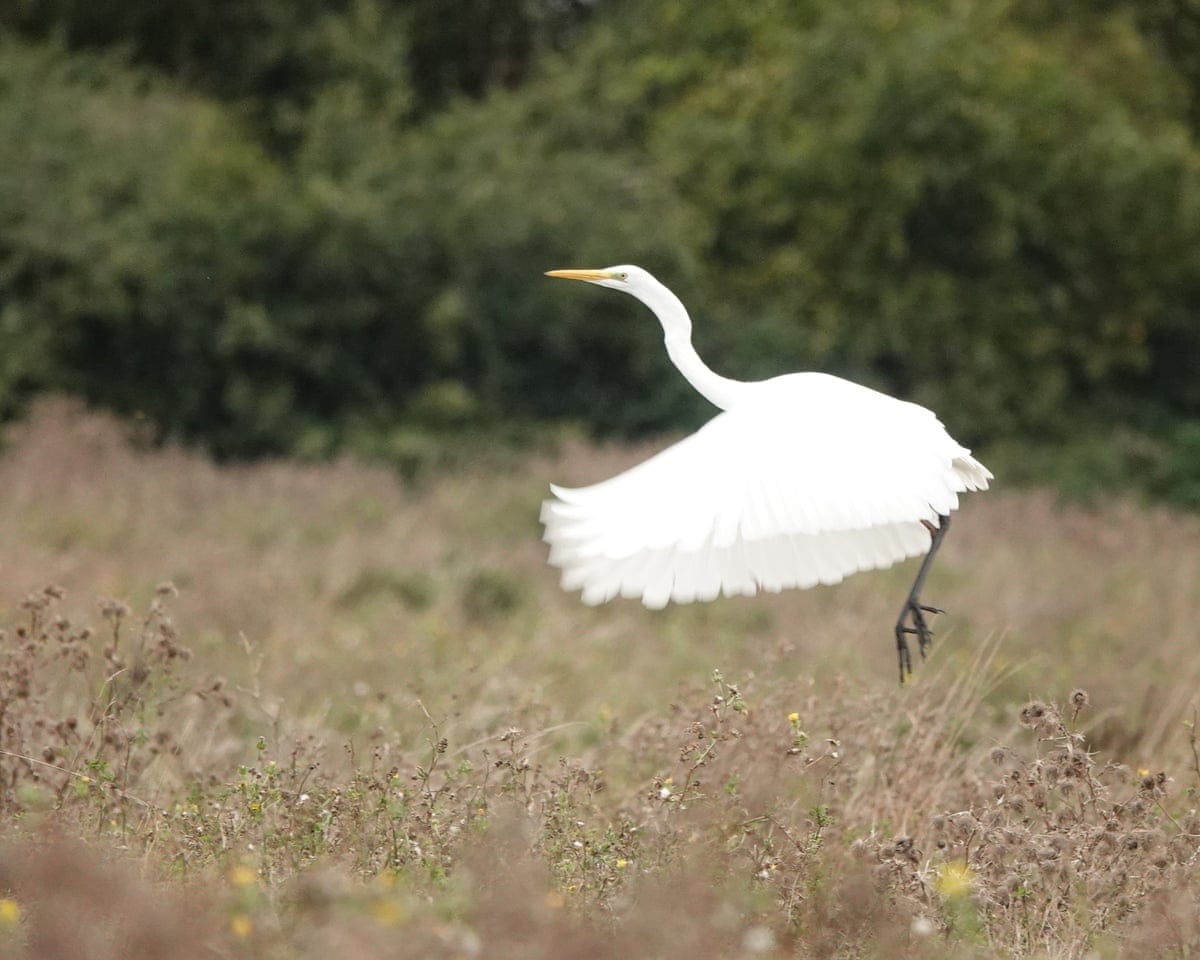
Widespread waterbirds experienced comparable updates, with Western Hemisphere populations of both the great egret and the whimbrel officially parting ways from their Old World counterparts. In South America, three separate populations previously grouped under the great horned owl achieved independent species status, covering Andean environments and broader tropical zones. A Caribbean songbird, the pearly-eyed thrasher, was also officially appended to the United States species register following a verified sighting in Key West.
These annual systematic updates establish the foundational taxonomy relied upon by government agencies, conservation charities, and field researchers to direct environmental protection policies and avian management programs throughout the region.