Habitats and conservation
Habitat more important than climate for Finnish wildlife
Researchers find habitat composition explains species distribution better than climate across Finland's regions and species groups.
Reported by Phys.org · · 1 min read
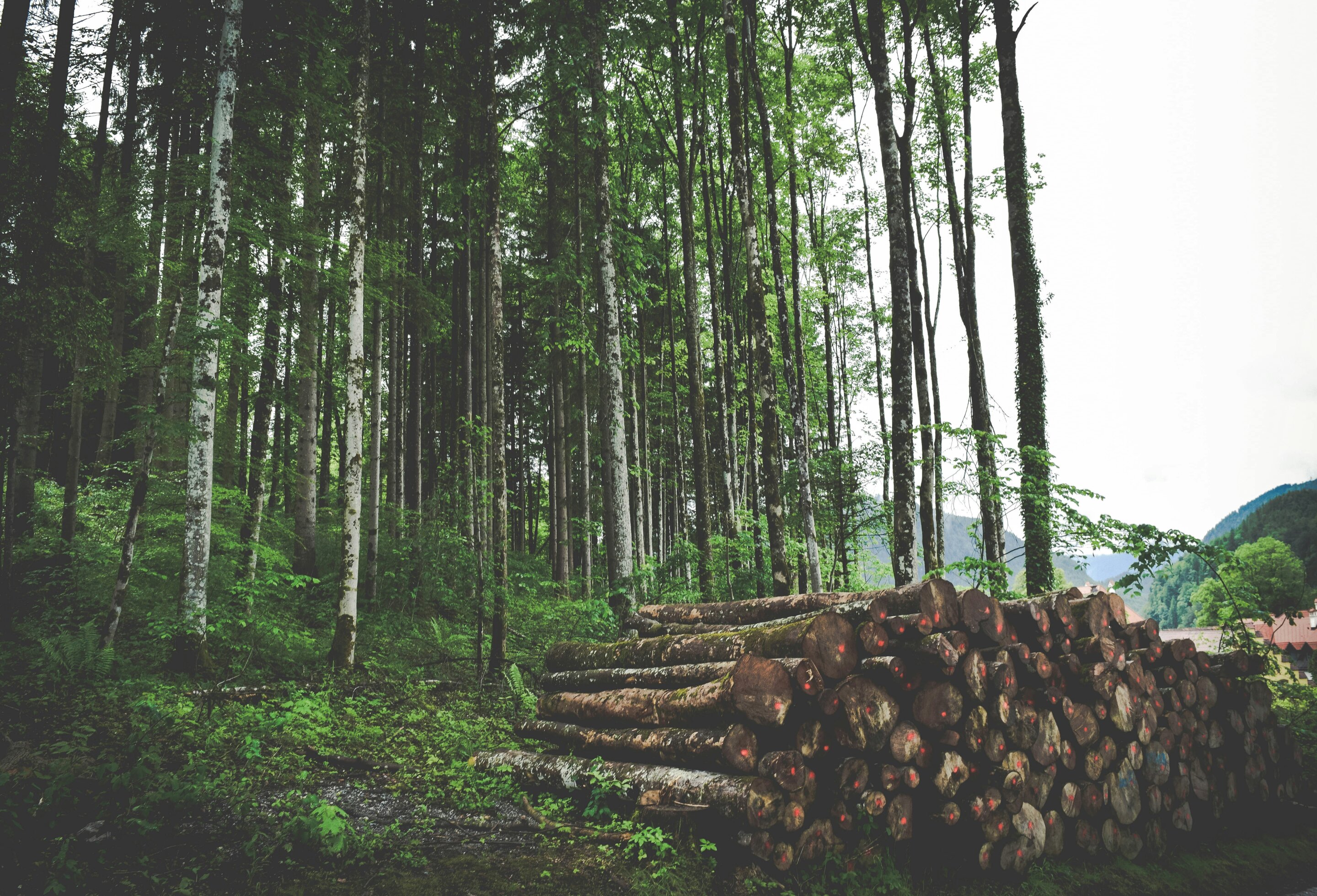
A new study from the University of Helsinki reveals that habitat characteristics play a more significant role than climate in determining the distribution and abundance of most animal groups in Finland. Researchers analyzed over 3 million observations spanning 20 years and 503 terrestrial species across Finland’s diverse climatic zones, using advanced statistical methods to assess the relative importance of habitat versus climate factors.
Contrary to initial expectations, habitat composition emerged as the dominant factor for butterflies, birds, and small mammals. For large mammals and moths, habitat and climate were equally influential. The findings underscore the critical role of land-use planning in biodiversity conservation, as habitat alterations can lead to species loss regardless of climate conditions.
The study also examined how species traits such as body size, reproductive rate, and habitat specialization influence these patterns. Species with slower reproductive cycles were generally more sensitive to climate variations, while larger, less specialized mammals depended more on habitat quality. For birds, butterflies, and moths, these traits did not significantly alter the dominance of habitat factors.
Local habitat protection key to preserving biodiversity
While climate change remains a major concern for biodiversity, researchers emphasize that land-use decisions have an even greater impact at local and regional levels. Habitat diversity not only supports species directly but also helps them adapt to changing climates. The study suggests that conservation efforts should prioritize habitat protection and restoration, considering species traits, regional differences, and temporal variations to effectively safeguard Finland’s wildlife.


