Wild mammals
Ancient vision system shaped cross-wired animal brains
A study of vertebrates suggests cross-body neural pathways developed because evolution adapted sensory circuits around early visual structures.
Reported by ScienceDaily · · 2 min read
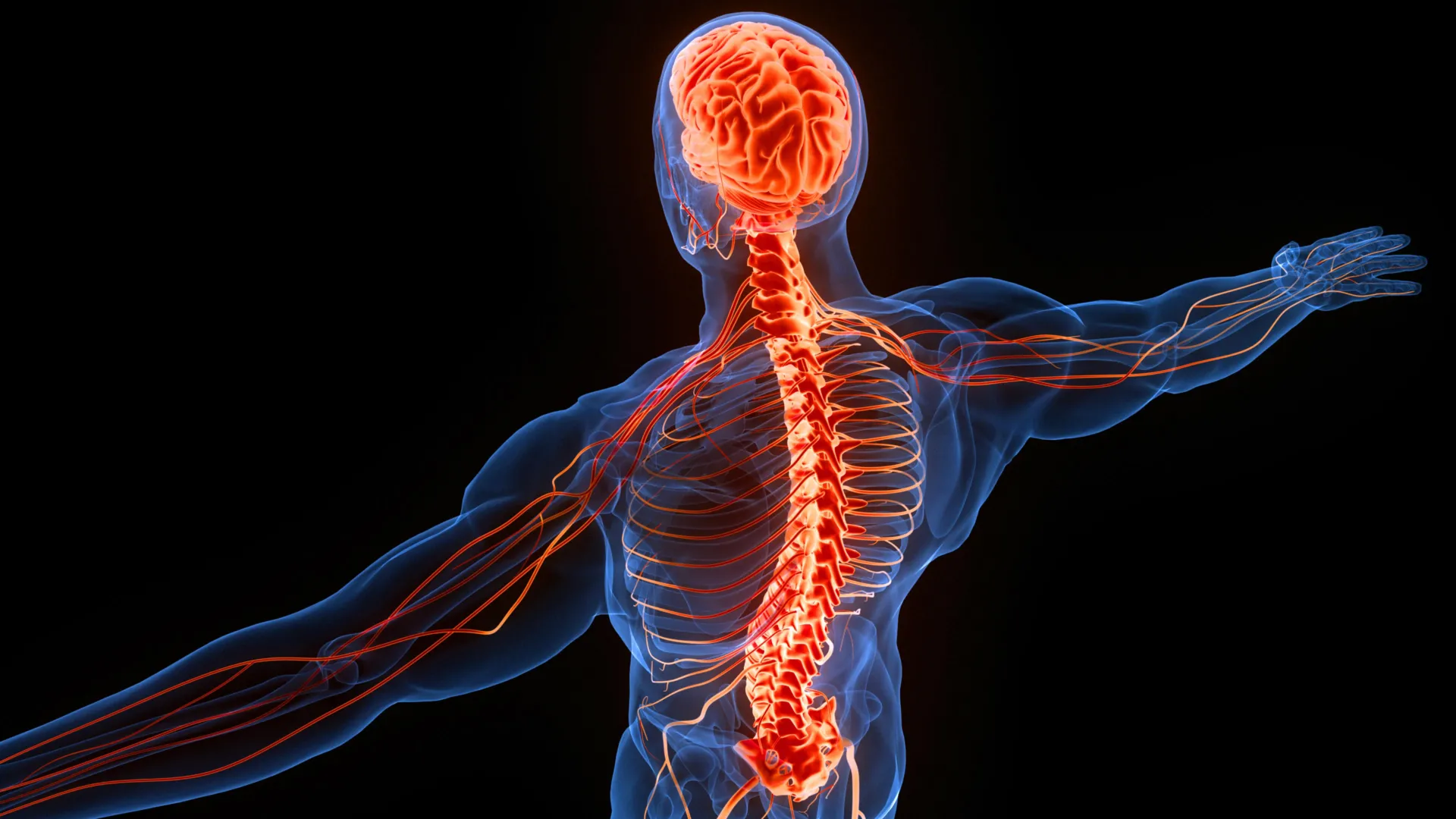
Across four-limbed animals, each side of the brain typically directs movement and registers sensation on the opposite side of the body. A scientific paper published in Frontiers in Neuroanatomy proposes that this crossed wiring might have originated roughly half a billion years ago, when emerging nervous systems built newer pathways around early sensory structures.
The authors, Dr. Martin Wessendorf and Daniel Wang from the University of Minnesota, focused on neural circuits across tetrapods, a group including amphibians, reptiles, birds, and mammals. In vertebrate eyes, the lens flips incoming images onto the retina, sending signals through the optic chiasm so that each hemisphere receives information from the opposing visual field. These inputs feed into the optic tectum, an ancient midbrain area present in all vertebrates.
Sensory and motor tracts
The researchers examined multiple pathways that bridge the central nervous system. One pathway, the dorsal column, directs touch and body positioning upward through the spinal cord before crossing in the brainstem. This network appears across tetrapods but is absent in fish. Another sensory route, the spinothalamic tract, handles pain and itch sensations by crossing within the spinal cord itself, occurring in birds, mammals, reptiles, and cartilaginous fish like rays and sharks.
Motor circuits follow an identical contralateral pattern. The tectospinal tract triggers quick movements toward environmental changes by sending signals from the optic tectum to the opposing spinal cord. Similarly, the rubrospinal pathway extends from the red nucleus down the opposite side of the spine, helping mammals and other vertebrates manage limb actions.
Adapting existing networks
In mammals, the six-layered cerebral cortex supports the corticospinal pathway, which crosses the midline to modulate sensory inputs. In primates and select animals with delicate finger movements, this tract directly connects to muscle-controlling spinal zones. The authors suggest primates adapted this older circuit rather than developing a completely novel structure.
Because every living vertebrate shares an optic tectum and optic chiasm, the scientists suggest these structures appeared in jawless fish during the Cambrian period. Instead of providing an immediate survival advantage, crossed brain circuits may simply reflect anatomical blueprints passed down through evolutionary history.